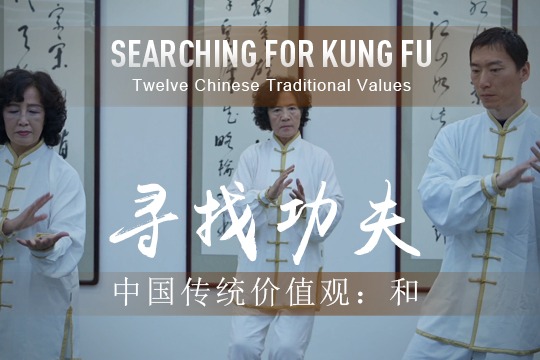
12 Traditional Chinese Values: Harmony
Introduction
Harmony, known as he in Chinese, is one of the traditional values deeply embedded in Chinese culture. It represents a state of peaceful existence and mutual agreement where individuals or groups coexist without conflict. This concept of harmony extends beyond interpersonal relationships to encompass the harmony between humans and nature, society, and the universe. The idea of living in harmony is central to many aspects of Chinese philosophy and is considered a cornerstone for a balanced and fulfilling life.
Historical Context
The notion of harmony has roots that stretch far back into Chinese history, playing a significant role in shaping the cultural and philosophical landscape of ancient China. Harmony was not only seen as an ideal state of being but also as a guiding principle for rulers and individuals alike. In ancient Chinese society, achieving harmony was viewed as essential for maintaining social order and ensuring the prosperity of the state. This value was integral to governance and was often reflected in policies and imperial edicts that aimed to balance various social and natural elements.
Harmony in Confucianism
Confucianism, one of the most influential philosophical traditions in China, places great emphasis on harmony. According to Confucian thought, harmony is achieved when individuals fulfill their roles within the family and society, thereby contributing to the collective well-being. Confucius advocated for harmonious relationships based on mutual respect, empathy, and understanding, which he believed were essential for a stable and prosperous society. The Confucian concept of ren (benevolence) is closely tied to harmony, suggesting that genuine humaneness leads to harmonious interactions.
Cultural Significance
Harmony is deeply ingrained in various cultural manifestations, ranging from art and music to architecture and literature. It is reflected in the balanced compositions of Chinese paintings, where elements are arranged to create a sense of equilibrium and unity. Traditional Chinese music often emphasizes harmony through the blending of different instruments to produce a cohesive sound. In Chinese architecture, harmony is evident in the design of buildings and gardens that aim to achieve a balance with the natural environment, reflecting the belief that human structures should complement rather than dominate nature.
Global Impact
The concept of harmony has transcended Chinese borders, influencing dialogues on global peace and cooperation. It has been embraced in various international forums as a guiding principle for fostering understanding and collaboration among different nations and cultures. The idea of living in harmony with the environment has also gained traction in global discussions on sustainability, inspiring efforts to achieve a balance between development and ecological preservation.
Related Concepts
Harmony is closely related to several other traditional Chinese values, such as balance, moderation, and respect. These concepts collectively contribute to the holistic worldview that characterizes Chinese philosophy. For instance, the idea of Yin and Yang embodies the notion of balance and harmony in opposing forces. Similarly, the principle of zhongyong (the Doctrine of the Mean) emphasizes moderation and the avoidance of extremes to maintain harmony in life. These related concepts work together to form a comprehensive framework for understanding and practicing harmony in various aspects of life.








